All Categories
Featured

Table of Contents
Capital expenditure planning needs particular attention to timing and capital ramifications. Think about how planned financial investments in devices, innovation, or facilities will affect both functional effectiveness and financial performance. Examine the return on investment for proposed capital tasks and prioritise those that align most carefully with your tactical goals. Moving beyond fundamental budgeting requires carrying out advanced forecasting strategies that enhance accuracy and provide deeper insights into company performance.
Carry out driver-based forecasting that links monetary results to particular service metrics. This approach develops more transparent connections in between functional activities and monetary results, making it easier to determine the root causes of variances and adjust techniques accordingly. For retail companies, this might involve forecasting based on step and conversion rates, while service businesses may concentrate on billable hours and utilisation rates.
Methods such as regression analysis, moving averages, and seasonal modification can supply important insights, especially for businesses with complex profits patterns or multiple product lines. Consider carrying out constant forecasting procedures that upgrade projections regularly based upon actual performance and changing market conditions. This method supplies more prompt insights than standard quarterly reforecasting and makes it possible for much faster reaction to emerging chances or challenges.
This broader perspective assists determine trends and threats that internal information alone may not expose. The unpredictability surrounding financial conditions, regulatory changes, and market characteristics makes circumstance preparing a necessary element of efficient spending plan preparation. Rather than counting on a single projection, developing numerous scenarios assists businesses prepare for numerous prospective outcomes and preserve strategic versatility.
This situation must include reasonable assumptions about market conditions, competitive dynamics, and internal capabilities. The base case serves as your primary planning file whilst acknowledging that real outcomes will likely differ from these projections. Develop optimistic and pessimistic circumstances that check out the possible impact of favourable or challenging conditions. The positive scenario may presume more powerful economic development, effective brand-new product launches, or favourable regulatory changes.
Top Tips for Strategic Resource Management in 2026
Consider establishing specific circumstances around key risk aspects or opportunities that might substantially affect your service. These may consist of scenarios based on major client losses, technological interruptions, regulative changes, or market expansion opportunities. By measuring the possible impact of these events, you can establish contingency strategies and identify early caution indications.
This procedure includes testing how your monetary forecasts would perform under extreme situations, such as significant income decreases or unexpected expense increases. File the assumptions underlying each scenario and establish trigger points that indicate when scenarios are approaching particular outcomes. This framework allows more proactive management reactions and assists preserve strategic focus throughout durations of unpredictability.
Modern budgeting software application provides abilities that extend far beyond traditional spreadsheet-based methods, offering higher precision, partnership, and analytical insights. Cloud-based budgeting platforms make it possible for real-time partnership between employee and provide centralised information management that decreases errors and improves variation control. These systems generally use automated information combination from accounting systems, decreasing manual information entry and enhancing precision.
Dashboard-style reporting supplies real-time presence into key efficiency indicators and makes it simpler to determine patterns and variances that need attention. Expert system and artificial intelligence capabilities are progressively being integrated into budgeting software application, offering automated forecasting recommendations based upon historic patterns and external data sources. While these tools need mindful validation, they can substantially improve forecasting precision and reduce the time needed for spending plan preparation.
Top Tips for Efficient Asset Management in 2026
Effective budget planning needs input and buy-in from stakeholders across the organisation. Executing collective planning procedures guarantees that budget plans reflect functional realities and gain the support needed for successful execution.
Designing Digital Asset Management SystemsDevelop opportunities for cross-functional dialogue throughout the preparation process. Sales and marketing groups can provide insights into consumer demand and competitive characteristics, whilst operations teams can determine effectiveness chances and capability constraints. This partnership enhances the accuracy of presumptions and assists recognize possible disputes in between department goals. Carry out evaluation processes that validate presumptions and difficulty impractical forecasts.
Developing an efficient budget is just the very first action in successful monetary planning. Implementing robust tracking and change processes guarantees that budget plans remain relevant and helpful throughout the year as circumstances change.
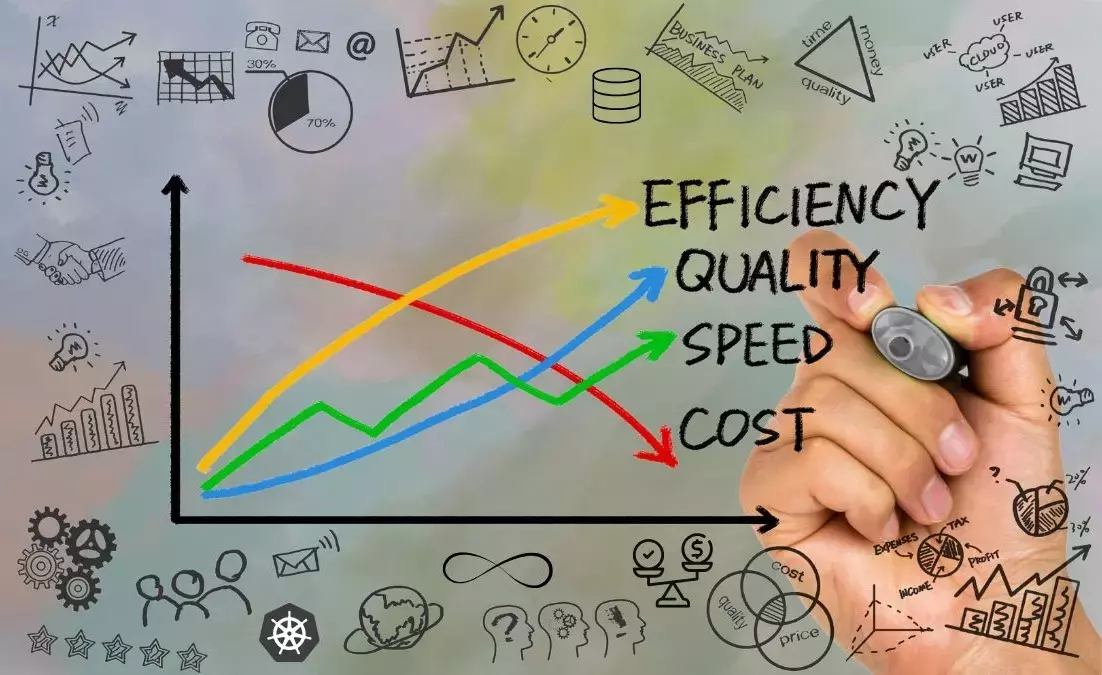
Monthly reporting typically provides the right balance between timeliness and administrative problem, though some essential metrics might take advantage of more regular monitoring. Develop difference analysis procedures that exceed simple actual-versus-budget comparisons to recognize the root triggers of differences and their ramifications for future performance. This analysis needs to identify between momentary fluctuations and essential changes that require budget plan modifications.

Latest Posts
Achieving Total Cloud Allocation in 2026
Critical ROI KPIs for 2026 Enterprise

Improving Infrastructure Asset Performance and Governance